
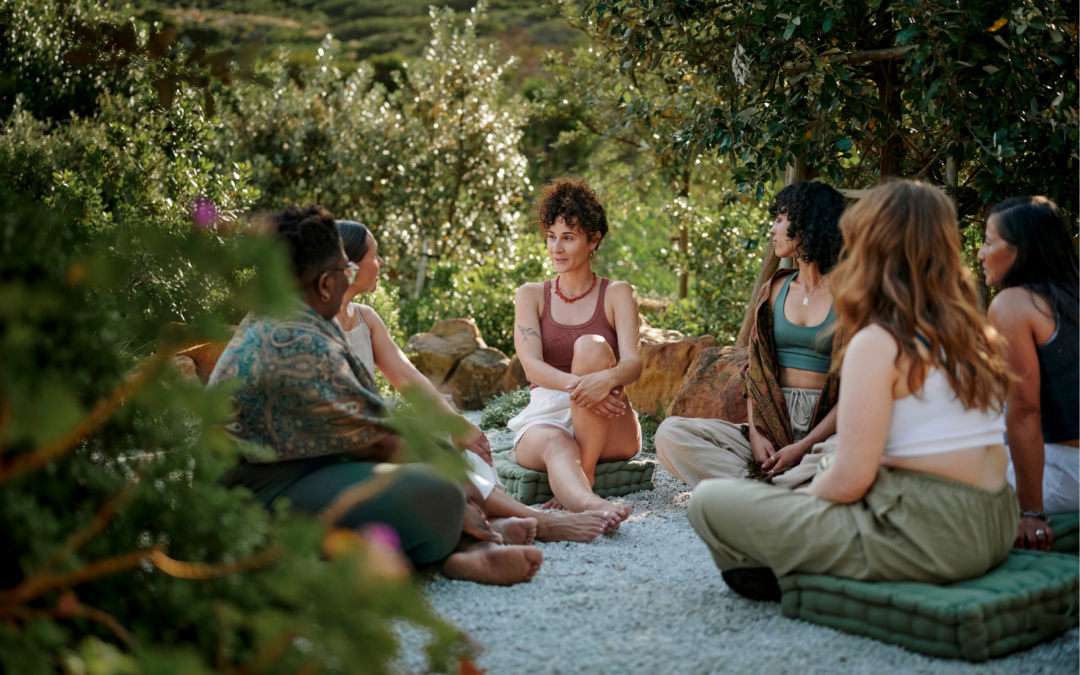
A well-planned group retreat can strengthen bonds, clarify vision, and energize a community in ways that no conference call or offsite agenda ever could. A poorly planned one becomes the thing everyone politely avoids mentioning.
The difference almost always comes down to intentionality — and choosing the right space.
Whether you’re planning a retreat for a church community, a nonprofit board, a corporate team, or a school organization, here’s a practical guide to doing it well.
Step 1: Get Clear on Your “Why” Before You Plan Anything Else
The most common mistake in retreat planning is jumping straight to logistics — venue, dates, catering — before clarifying what success actually looks like.
Before you book anything, gather your planning team (even if that’s just you) and answer these questions:
- What do we want people to feel at the end of this retreat that they don’t feel right now?
- What needs to shift — in our culture, our vision, our relationships, or our practice?
- What would make this retreat truly memorable — not just a good meeting in a nicer room?
Your answers to these questions will shape every other decision you make.
Step 2: Choose a Venue That Does Some of the Work for You
Your venue isn’t just a backdrop. It’s an active ingredient in the experience you’re creating.
The right space communicates something to your group the moment they arrive. It signals: This is different. This matters. You can let your guard down here.
When evaluating retreat venues, look for:
Natural beauty and outdoor space. Access to gardens, walking paths, or open air allows people to decompress, have informal conversations, and process what they’re hearing in the session room.
Flexible indoor spaces. You need a room that can accommodate your full group, but also breakout spaces for smaller conversations and quiet corners for individual reflection.
Comfortable accommodations. For overnight retreats, the quality of sleep and rest matters more than most planners realize. People who are well-rested are more present, more generous, and more open.
Good food. Meals are community moments. Thoughtful, well-prepared food communicates care — and it fuels better conversations than a vending machine and leftover pizza.
A sense of sanctuary. The best retreat venues carry a feeling — of peace, of history, of purpose. That quality is hard to manufacture. When you find it, you know.
Mary & Joseph Retreat Center in Rancho Palos Verdes offers all of these — along with 60+ years of experience hosting groups of every kind, from corporate teams to faith communities to academic organizations.
Step 3: Design Your Agenda Around Energy, Not Just Time
Most group retreats fail at the schedule level. Here’s a better framework:
Open with connection, not content. People need to arrive — physically and emotionally — before they’re ready to engage with big ideas. Start with something that gets people talking to each other.
Alternate between input and integration. After a presentation or teaching session, build in time for people to sit with what they heard. A walk, a journaling exercise, or a small-group conversation does more to consolidate learning than rushing to the next topic.
Protect the margins. Unscheduled time is not wasted time on a retreat. It’s often where the most important conversations happen. Build in more breathing room than you think you need.
End with commitment, not just inspiration. Retreats that close with a clear “so what” — specific actions, decisions, or intentions — are far more likely to produce lasting change than ones that end on a motivational high with no follow-through plan.
Step 4: Think About Accessibility and Inclusion
A retreat is only as good as the participation it generates. As you plan:
- Are dietary needs (vegetarian, vegan, gluten-free, allergies) being accommodated? (Mary & Joseph’s hospitality team is experienced at this.)
- Are your sessions designed to engage both extroverts and introverts?
- Is the physical space accessible to all attendees?
- Do people know what to bring, what to expect, and what the dress code is?
Small details like these communicate to participants that they belong here — which dramatically increases engagement.
Step 5: Work with Your Venue as a Partner
The best retreat venues don’t just hand you a room and disappear. They understand the kind of experience you’re trying to create and help you achieve it.
At Mary & Joseph Retreat Center, our events team works with group organizers to understand your goals and configure our spaces accordingly. We can accommodate:
- Day retreats and multi-day overnight retreats
- Groups ranging from intimate gatherings to larger assemblies
- Church groups, nonprofits, schools, corporations, and civic organizations
- All faith traditions — and secular groups as well
Our indoor meeting spaces, outdoor gardens, dining facilities, and chapel are all available to support your group’s needs.
The ROI of a Great Retreat
For organizational leaders who need to make the case for retreat investment: the return is real and measurable.
Studies on team effectiveness consistently show that groups who invest in relationship-building and shared vision outperform those who focus only on task and productivity. A well-run retreat can accomplish in two days what months of regular meetings cannot.
For faith communities, the ROI is equally tangible — deeper commitment, stronger community bonds, renewed energy for mission, and members who feel known and valued rather than just managed.
Ready to start planning? Mary & Joseph Retreat Center offers flexible venue options for groups of all sizes and types. Our team will work with you to create an experience your community will carry forward long after the retreat ends. Explore hosting options →
Mary & Joseph Retreat Center | 5300 Crest Road, Rancho Palos Verdes, CA 90275 | (310) 377-4867